
 Cart is empty
Table of Contents
The design landscape for printed materials in 2025 is bursting with fresh ideas, smarter tools, and renewed focus on what audiences actually want—personal, memorable, and eco-friendly experiences. Whether refining business cards, direct mail, outdoor signage, or brochures, embracing these trends can help businesses stand out in a crowded market and connect in more meaningful ways. For expert help and printing solutions, check out Niagara Print Express for the latest services and inspiration.
The Print Comeback: Why Tangible Still Matters
At a time when digital seems everywhere, print is having a moment—again. People appreciate the tangible touch of a well-made card or brochure, much like savoring a handwritten note in a world of text messages. That physical bond builds trust, recall, and real-world interaction you cannot replicate online.
9 Must-Know Print Design Trends for 2025
Sustainability: Print With Purpose
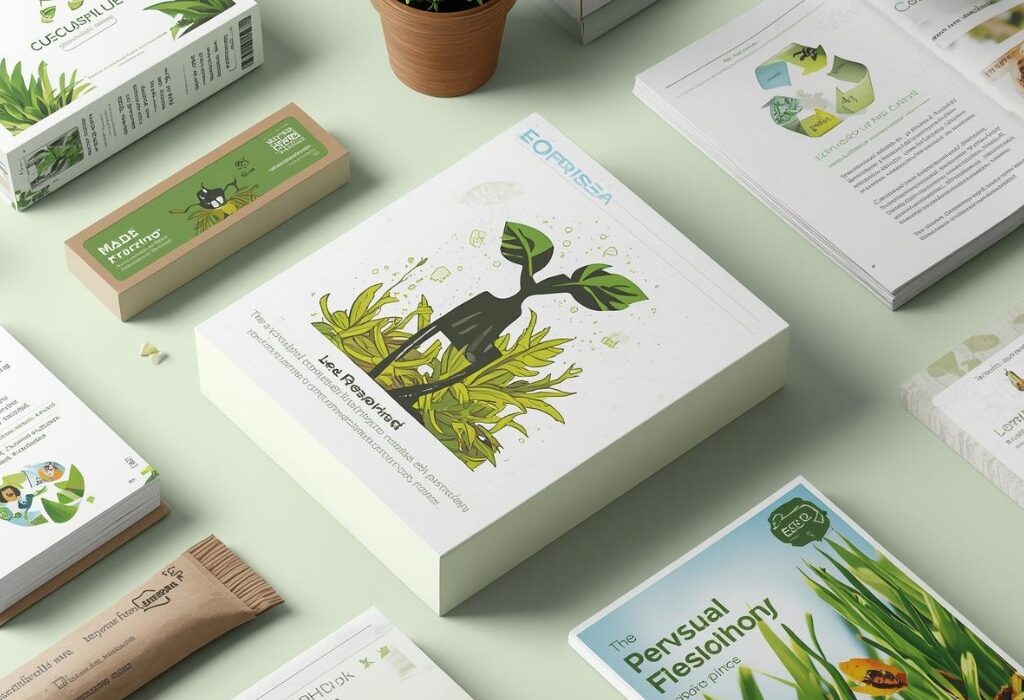
Protecting the planet is no longer a secondary concern—customers expect it. In 2025, eco-friendly printing tops the list:
- Biodegradable, recycled, and FSC-certified papers are the norm.
- Businesses favor vegetable-based inks and energy-efficient presses.
- Packaging, promotional materials, and brochures highlight reusability and minimal waste.
Choosing sustainable print methods shows customers that a business stands for more than profit—it cares about its community and future generations.
Minimalism Meets Maximal Impact
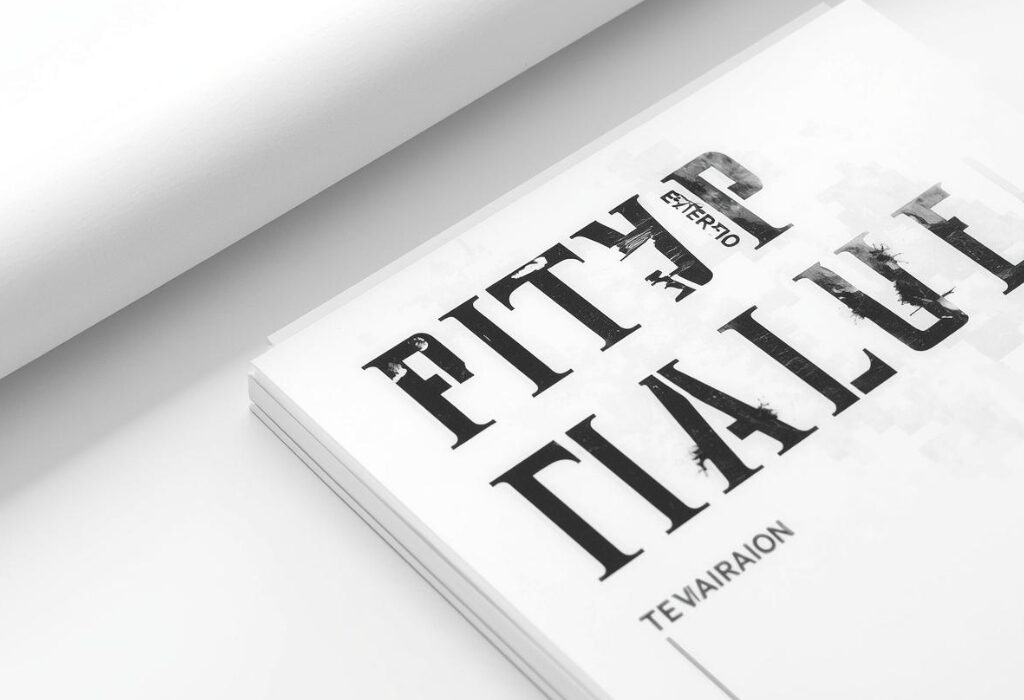
Minimalism does not mean bland or boring; it means focusing on what matters and removing the clutter:
- Clean layouts and ample white space give content breathing room.
- Bold typography with simple sans-serifs or retro-inspired fonts makes information pop.
- Subtle texture or grain adds tactile appeal without visual chaos.
By stripping back to essentials, printed materials convey clarity, confidence, and sophistication—ideal for modern, professional brands.
Personalization: Beyond One-Size-Fits-All
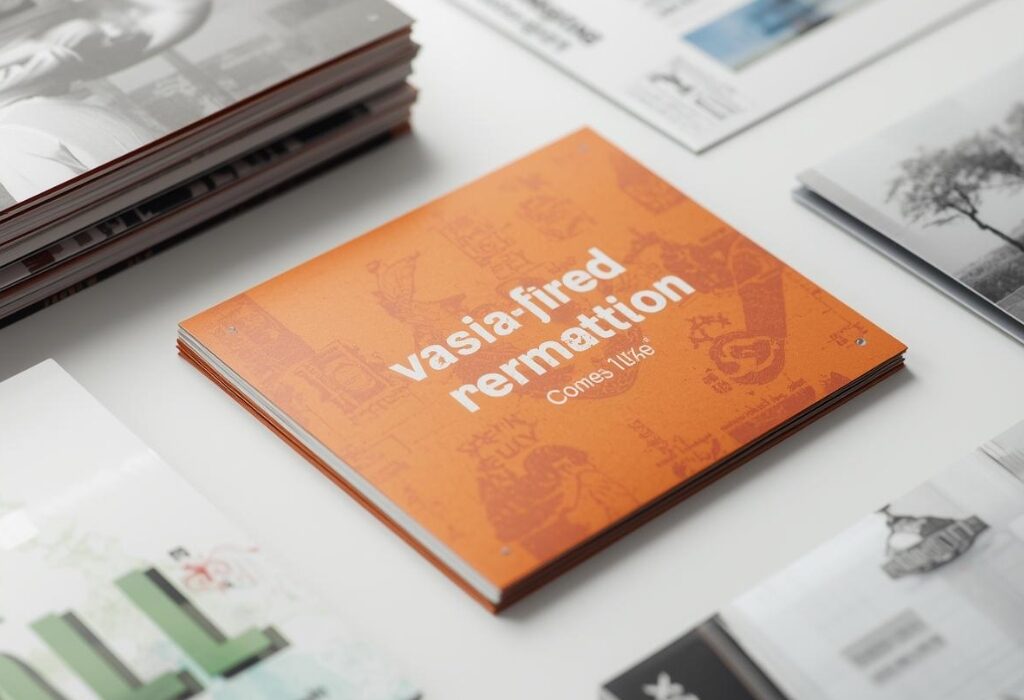
Today’s print is smarter and more personal than ever:
- Variable data printing lets companies create tailored messages—names, offers, even imagery—for each recipient.
- Short-run, print-on-demand tech means businesses can customize without wasting resources.
- Personalized packaging and direct mail drives higher engagement and response rates.
Consider how a personalized thank-you card or custom coupon in a client’s name feels compared to a generic flyer. That’s the power of print in 2025!
AI-Driven and Interactive Design
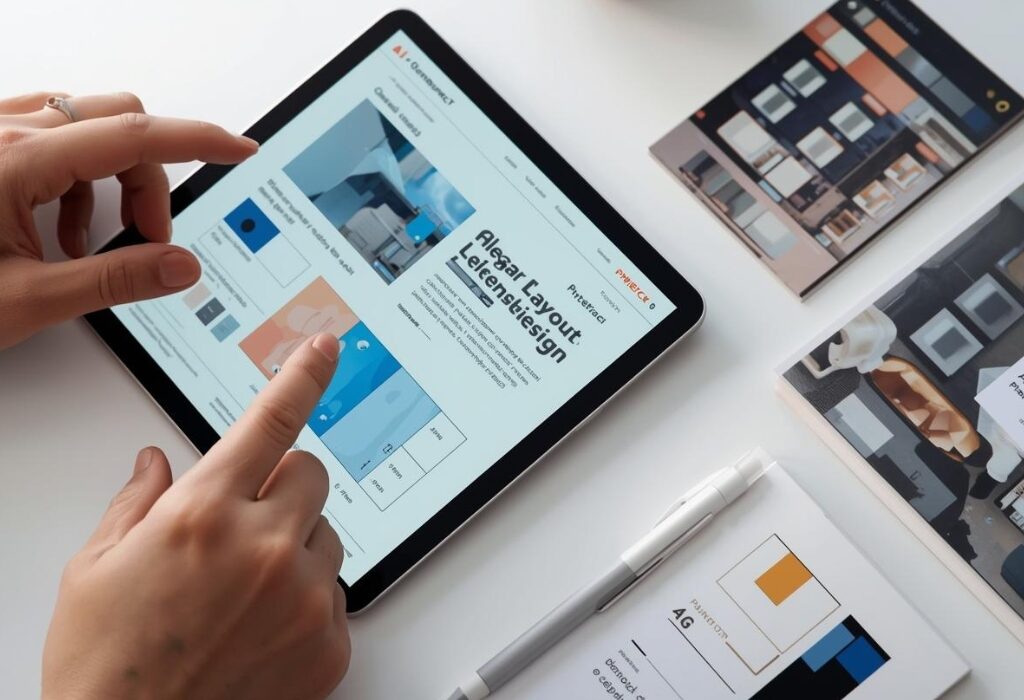
Artificial intelligence (AI) is not here to replace designers—it’s an extra set of hands and eyes, making good work faster and smarter:
- AI assists with layout options, color palettes, and style matching.
- Automated design tools let small businesses access professional-grade creativity.
- Interactive Paper and NFC technologies turn ordinary prints into digital launchpads—like “smart” business cards that link info straight to a phone.
Imagine handing out a brochure that instantly opens a personalized video on a client’s device—print is now a gateway, not a dead end.
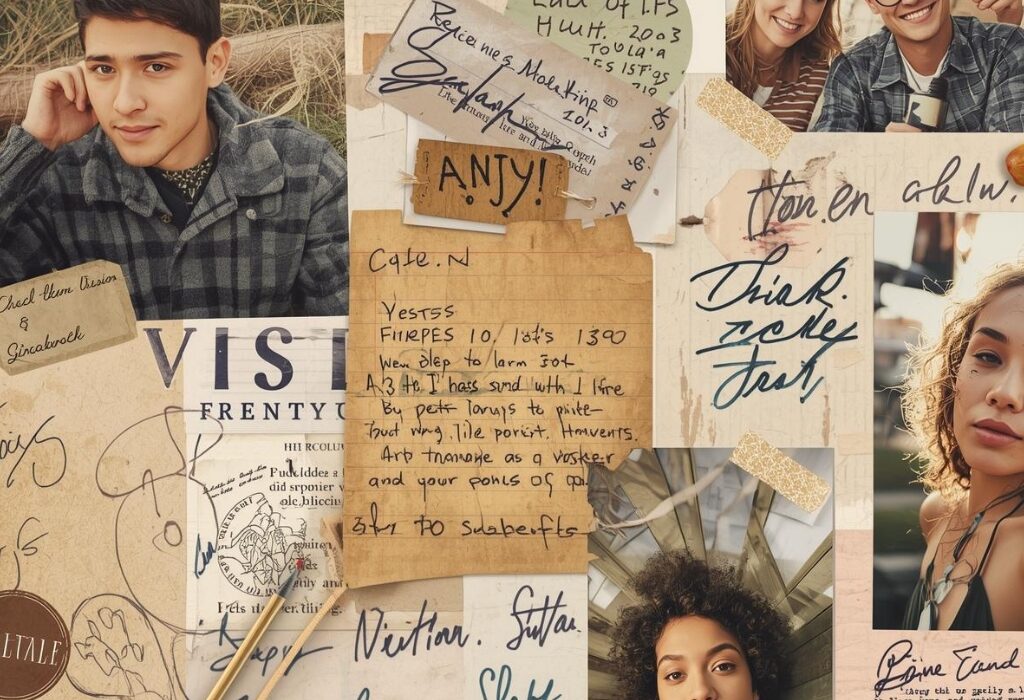
Mixed Media & Scrapbook Aesthetics
Print design is embracing a warmer, more human direction in 2025:
- “Scrapbook” styles mix photos, textures, hand-drawn doodles, and stickers.
- Collage layouts tell stories and share emotions, perfect for branding or events.
- Handwritten notes and signatures add authenticity and nostalgia.
By blending digital precision with tactile, crafty elements, brands feel more approachable—and memorable.

Bold Contrasts and Colors
Vivid colors, unexpected juxtapositions, and dramatic contrasts make print pop:
- Neon shades paired with navy blues create unmistakable visual punch.
- Maximalism “goes big” with oversized fonts, gradients, and metallic finishes.
- Cartoon-inspired or retro graphics add joy and personality.
If the brand fits, don’t be afraid to take risks—just keep messaging clear and on-brand.
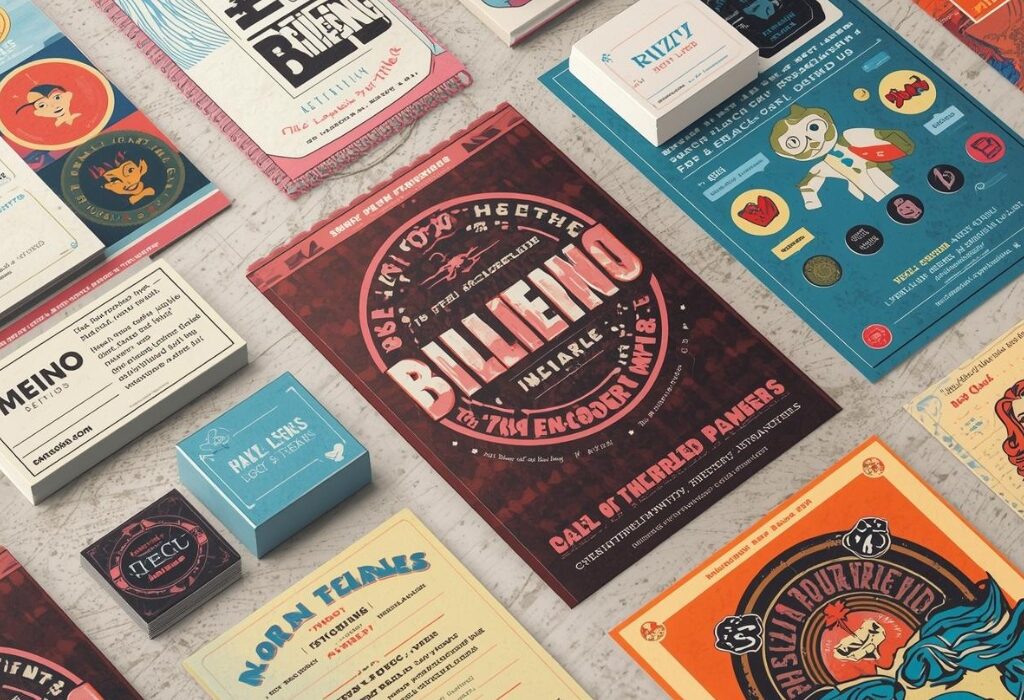
Retro Revival, Modern Twist
Nostalgia gets an upgrade in 2025:
- Neo-brutalism and neo-psychedelia reference past eras—’60s swirling lines, ’80s bright shapes, ’90s bold colors.
- Retro serif fonts and gothic badges lend heritage appeal to business cards, flyers, and menus.
- Cartoon-style illustrations evoke charm, warmth, and playfulness.
The key is to use retro cues tastefully—blend the old with the new so it feels inspired, not outdated.
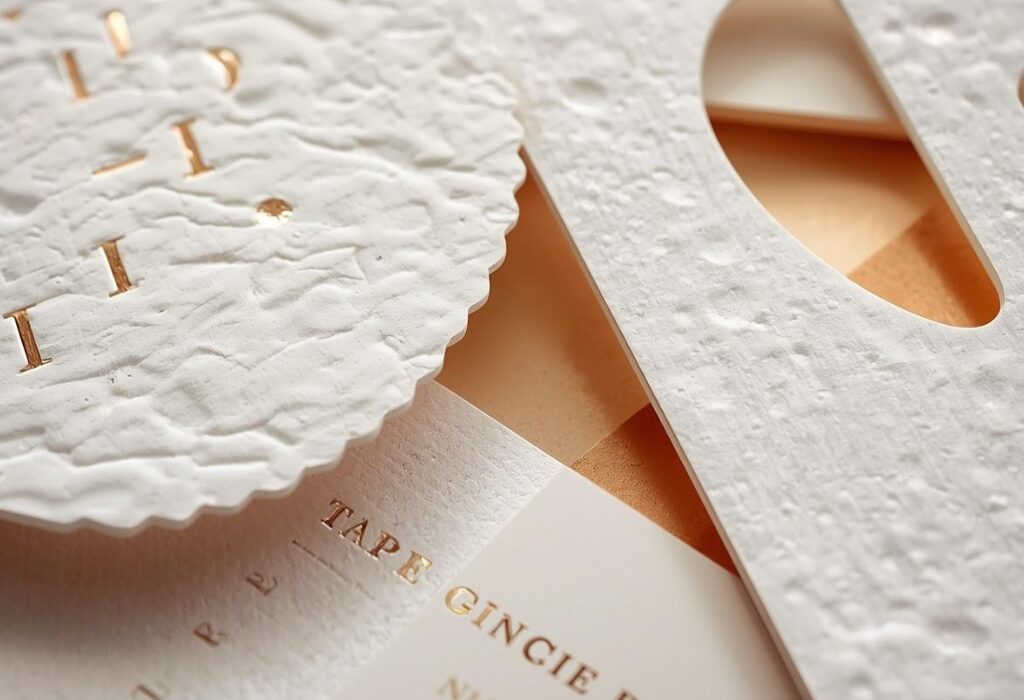
Tactile and Textured Effects
People want to touch, feel, and experience print not just see it:
- Textured grains, letterpress, spot UV, and foil elements add depth.
- Premium paper stocks make every piece more “noticeable”—literally.
- Embossing, debossing, or die-cutting explores shapes and layers.
Physical texture cues the brain that this message matters—perfect for high-end invitations or memorable packaging.
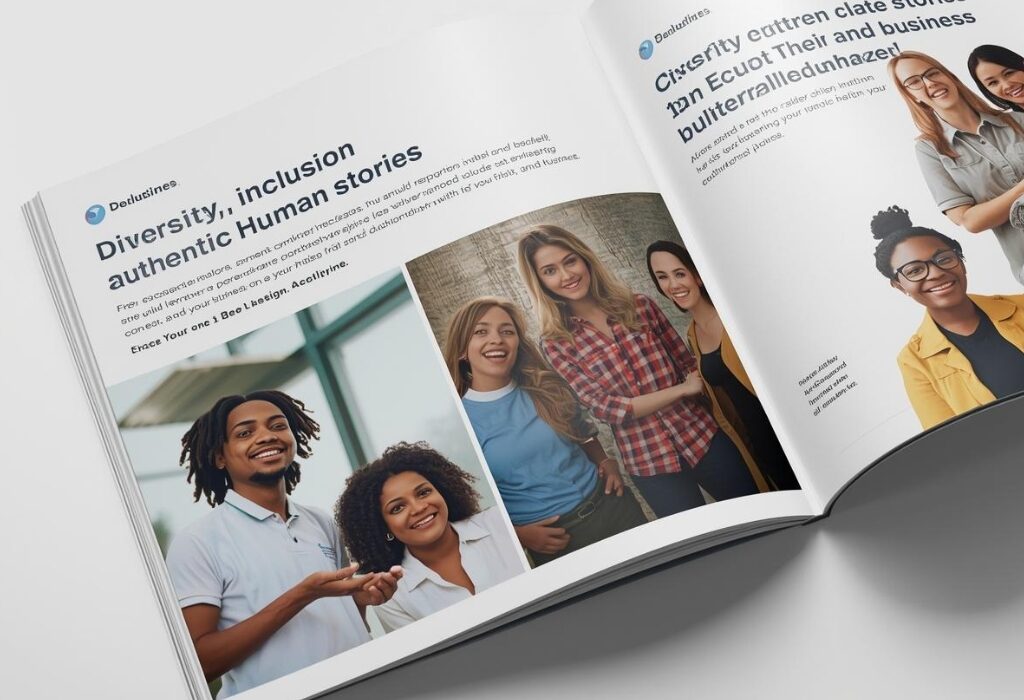
Diversity, Inclusion, and Human Stories
Print is also reflecting social change and broader representation:
- Designs include diverse photos, authentic stories, and inclusive language.
- Accessibility is built in—easy-to-read layouts, clear colors and large print.
- Branding shares the real faces and voices behind a business, making it relatable.
Business print materials do not just represent companies—they let every customer see themselves included.
Data Visualization: Making Info Beautiful
No more boring charts on brochures—visual storytelling makes data engaging:
Bold Infographics
Infographics use bold icons, creative layouts, and punchy stats to make information unforgettable.
Quick Impact
Easy-to-digest visuals quickly show value and impact, keeping your audience engaged.
Data that Inspires
For annual reports or presentations, data comes alive in print to inspire confidence and clarity.
Quick Tips: How to Implement 2025 Print Trends
For top-quality print services, innovative materials, and expert advice, visit Niagara Print Express.
Go Eco
Audiences crave authenticity and sustainability. Highlight eco choices in all print campaigns.
Blend Print & Digital
Mix digital and print by including scannable QR codes or NFC chips for instant online connections.
Design for Purpose
Use minimalist layouts for professional materials, bold maximalist ones for promotions and events.
Personal Touch
Personalize whenever possible—names, customized offers, or tailored images grab attention.
Experiment with Finishes
Try mixed media or textured finishes for tangible impact; if budgets allow, combine both!
Small-Batch Runs and Flexible Production
Gone are the days of printing thousands of useless flyers. Now, small-batch and print-on-demand methods rule:
- Businesses produce only what is needed, saving money and reducing waste.
- Quick turnaround lets teams test new ideas and adapt branding fast.
- Digital printing technology ensures colors and graphics always look crisp.
For startups or local businesses, small runs are budget-friendly—and just as powerful as a full rollout.
Taking Action: The Future Is Physical
Print isn’t losing ground in the digital age—it’s gaining new relevance, meaning, and magic. Whether rebranding or launching the next campaign, businesses that invest in cutting-edge print design will find their message not only delivered but also remembered.
So: Think about what makes a message unforgettable, how it feels in the hand, and how it reflects the brand’s values. Tap into both the latest tech and timeless tactile appeal. Partner with expert printers, experiment with style, and embrace trends that match a unique story.
Ready for stunning, business-boosting print in 2025? For advice, samples, and custom print solutions, discover Niagara Print Express—a leader in turning ideas into unforgettable printed reality.

We print almost everything!
Didn't find what you're looking for?
We print almost everything! Contact us for custom requests.
Frequently Asked Questions (FAQs)
What are the biggest design trends for printed materials in 2025?
The leading trends are sustainable materials, AI-powered design, bold minimalism, retro styles, tactile textures, and highly personalized content. These styles help brands connect with audiences, stand out, and align with growing eco-friendly and tech-forward expectations.
How can businesses make their printed materials more sustainable?
To make print more sustainable, use recycled or FSC-certified paper, vegetable-based inks, and energy-efficient production methods. Adopt print-on-demand and modular design approaches to reduce waste and environmental impact—customers love prints that reflect care for the planet.
Why is personalization important for print marketing in 2025?
Personalization turns generic materials into unique experiences, raising engagement and response rates. Technologies like variable data printing and AI-driven layouts allow brands to tailor messages, visuals, and offers for each customer, making print more memorable and effective.
How is AI influencing print design this year?
AI assists with layout suggestions, image creation, and even automating personalized materials at scale. It boosts quality and efficiency, makes design more accessible, and helps businesses deliver eye-catching, relevant prints quickly—even for short runs or small budgets.
What tactile finishes and techniques are trending in 2025?
Textured grains, embossing, metallic foils, and layered printing add depth and sensory appeal to everything from business cards to packaging. These tactile effects make print feel premium, boost brand perception, and create memorable touchpoints with recipients.
Is retro design still popular for print marketing?
Absolutely—retro serif fonts, psychedelic 1960s art, gothic crests, and bold nostalgia-inspired layouts are making a comeback. They’re blended with modern elements to evoke trust, heritage, and fun, striking a balance between classic and fresh appeal.
Should businesses invest in small-batch or print-on-demand production?
Yes, small-batch and print-on-demand methods reduce waste, save costs, and allow for rapid updates or localized campaigns. This flexibility makes it easy for brands to test new ideas and respond quickly to changing market needs without overcommitting resources.
What role does data visualization play in printed materials now?
Designers use creative infographics and visual storytelling to make complex data simple, engaging, and memorable. Well-designed visuals in print help businesses communicate value, share impact, and guide customers toward informed decisions.
What is modular design and how does it help sustainability?
Modular design means creating flexible, reusable design elements (like logos, images, and layouts) that work across different print formats. This approach streamlines production, saves time, and reduces waste—contributing to both sustainability and brand consistency.
Where can businesses get expert help with trend-forward print solutions?
Professional print shops like Niagara Print Express offer the latest services in sustainable printing, personalization, AI-assisted design, and innovative finishes—helping businesses achieve standout results in 2025.
Add a Comment